
Introduction
The #MetalsIndustry plays a crucial role in powering global economic development, serving as the backbone for construction, transportation, aerospace, electronics, renewable energy, and countless manufacturing sectors. Over the years, the journey from raw ore to refined metal products has evolved significantly, driven by rapid technological advancements, rising sustainability demands, and shifting market expectations. Today, metal processing is no longer just about extraction and refinement—it has transformed into a highly strategic, technology-enabled, and sustainability-driven sector. These changes also reshape workforce requirements, making strong leadership essential and increasing the importance of executive search recruitment within mining and metals organizations.
Overview of the Metal Processing Journey: From Extraction to Final Products
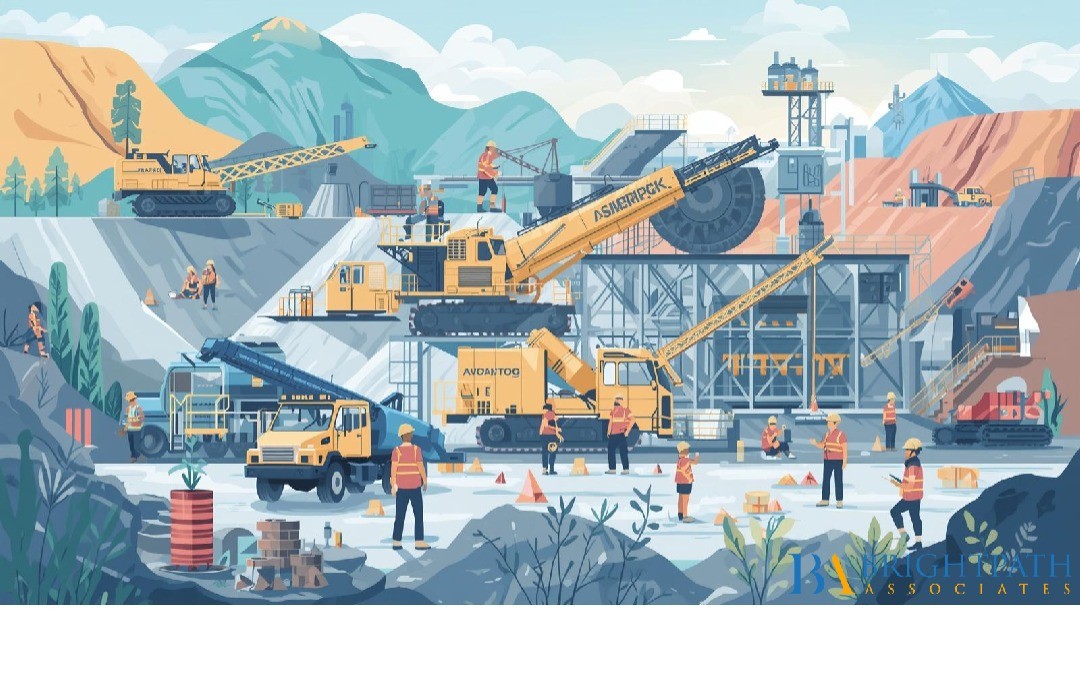
The process of transforming ore into usable metal begins with extraction, where mining companies locate and remove mineral-rich deposits through surface or underground methods. Once extracted, the ore undergoes a series of complex processes including crushing, grinding, beneficiation, smelting, and refining. Each stage requires precise controls, specialized machinery, and highly skilled professionals to ensure optimal purity, efficiency, and safety. The refined metal is then shaped or manufactured into end products used across industries ranging from heavy machinery to consumer electronics.
What makes this journey remarkable is the increasing reliance on innovation. Modern extraction and processing techniques now integrate advanced technologies that enhance accuracy, reduce waste, and minimize environmental impact. As industries demand higher performance materials, the metals sector must continuously update its processes to deliver superior quality while meeting global sustainability expectations.
Importance of Metal Processing in Various Industries
Metal processing is fundamental to modern society because metals remain indispensable materials in both traditional and emerging industries. Infrastructure development depends heavily on steel and aluminum, while the electronics and telecommunications sectors rely on copper, rare earth elements, and specialty alloys. As the world transitions to renewable energy and electric mobility, the demand for high-quality, responsibly processed metals continues to grow. Solar panels, wind turbines, electric vehicles, and energy storage systems all require advanced metal components with precise processing standards.
Because of this increasing demand, the metal processing value chain has expanded in importance, prompting companies to adopt new technologies and seek leaders who can manage sophisticated, digitally driven operations. The sector now requires professionals who can integrate innovation with sustainability while ensuring global competitiveness.
Industry Trends in Metal Processing
Recent Advancements in Metal Processing Technologies
The past decade has seen remarkable progress in the technologies supporting #MetalProcessing. Automation and robotics have become standard in many operations, improving safety and consistency by performing tasks that were once labor-intensive and risky. Artificial intelligence and machine learning now enable predictive maintenance, real-time process optimization, and smarter ore grade analysis. Major advancements have also been made in metallurgical processes including hydrogen-based reduction in steelmaking, which significantly reduces carbon emissions.
New electrolysis methods also allow companies to produce high-purity metals more efficiently and with lower environmental impact. Alongside these developments, innovations in additive manufacturing have introduced new frontiers in metal design, enabling lightweight components and advanced alloy applications. These advancements not only improve operational performance but also require leaders with strong technical and strategic capabilities—highlighting the growing relevance of executive recruiters specializing in the metals industry.
Mining and Metals Recruiters’ Role in Adapting to These Changes
As technology becomes more integrated into metal processing, mining and metals recruiters play a vital role in finding leaders who can embrace digital transformation. Organizations need executives who understand both traditional metallurgical principles and modern technologies such as automation, data analytics, and sustainable process design. Recruiters who specialize in this niche help organizations identify talent capable of navigating industry complexities, managing innovation-driven operations, and aligning business goals with environmental expectations.
Key Metals Industry Trends Driving Innovation
The metals sector is currently shaped by several major trends, including the global push toward decarbonization, the rising demand for critical minerals used in batteries and electronics, and the need for energy-efficient and cost-effective processes. Companies are also prioritizing closed-loop #RecyclingSystems to reduce waste and reclaim valuable materials. These trends are pressuring businesses to modernize equipment, adopt environmentally responsible mining practices, and invest in research to create stronger, lighter, and more durable metals.
Significant Innovations in Mining Technology
The Evolution of Ore Extraction Methods
Ore extraction methods have advanced significantly over the years. Traditional drilling and blasting have gradually been supplemented—and in some cases replaced—by modern techniques that offer greater precision, safety, and efficiency. Automated drilling rigs, real-time sensor-based sorting systems, and drone-based geological mapping have transformed the extraction landscape. These improvements ensure that mining companies can recover more valuable minerals from the same deposits while minimizing waste and environmental disruption.
Sustainable Mining Practices and Their Impact on Metallurgy
Sustainability has become central to #MiningStrategy, influencing every stage from extraction to final product delivery. Mining companies are increasingly adopting dry processing techniques that reduce water usage, implementing renewable energy sources to power operations, and integrating carbon capture technologies into smelters. These sustainable mining practices create a ripple effect throughout the metallurgical process, resulting in cleaner, more responsible production methods that meet regulatory standards and consumer expectations. As sustainability becomes a competitive advantage, companies seek leaders who can integrate environmental goals with operational efficiency.
Case Studies of Mining Innovation Strategies
Across the globe, many mining organizations have successfully implemented innovative strategies to improve efficiency and reduce environmental impact. Autonomous haulage systems, for example, have improved safety and productivity in large mining operations, while real-time ore grade analysis has helped reduce waste and optimize processing flows. Some companies operating in remote regions have adopted hybrid microgrid systems that combine renewable energy with traditional power sources, demonstrating how innovation supports both operational reliability and sustainability.
Challenges and Opportunities in Metal Processing
Addressing Leadership Talent Shortages in the Metals Industry
One of the most pressing challenges in metal processing is the shortage of skilled leadership. Many experienced professionals are nearing retirement, and younger generations are often drawn to technology or service industries. As a result, the metals sector faces increasing pressure to attract new talent with expertise in digital technologies, sustainability, and advanced manufacturing. Executive search recruitment is becoming essential to fill these gaps and ensure that companies maintain strong leadership pipelines.
The Role of Mining Policy in Shaping Future Trends
Mining policy significantly influences the direction of the industry. #EnvironmentalRegulations, carbon reduction commitments, and global supply chain pressures are shaping how companies operate. Policies supporting renewable energy, critical mineral development, and sustainable resource management are encouraging mining organizations to invest in cleaner technologies. Leaders with deep understanding of regulatory landscapes are increasingly valuable, as they can guide organizations through compliance while identifying new opportunities for growth and innovation.
Strategic Approaches to Overcoming Industry Barriers
To overcome current challenges, companies are investing in advanced training programs, digital simulations, and data-driven decision-making models. Many organizations are forming strategic partnerships with technology providers, academic institutions, and research organizations to foster innovation. These strategic approaches require leaders who can manage cross-functional collaboration, drive technological adoption, and maintain operational resilience in an unpredictable global market.
The Role of Executive Search Recruitment
How Executive Search Recruitment Is Vital for Industry Growth
#ExecutiveSearchRecruitment firms specializing in mining and metals help companies identify the leaders needed to navigate a rapidly evolving industry. Their expertise is critical in sourcing talent capable of managing technological transformation, sustainability initiatives, and global supply chain challenges. Such firms understand the unique demands of metallurgical operations and can match organizations with executives who bring both technical knowledge and strategic leadership.
Adapting Recruitment Practices from 2023 to 2025
From 2023 onward, recruitment practices in the metals industry have undergone significant evolution. Companies now prioritize environmental, social, and governance (ESG) expertise, digital literacy, and cross-industry experience. Remote leadership models, diversity-focused hiring strategies, and data-driven recruitment processes have become essential. Between 2023 and 2025, organizations increasingly embraced AI-enabled talent acquisition platforms, competency-based assessments, and global talent sourcing to address leadership shortages.
Executive Search Recruitment as a Solution to Leadership Gaps
Given the rapid modernization of metal processing, executive search recruitment has become a strategic solution to closing leadership gaps. Recruiters help companies secure high-caliber professionals who understand both the technical and commercial aspects of the industry. Their ability to identify candidates with experience in innovation, sustainability, and transformation ensures that mining and metal companies remain competitive amid global shifts.
Conclusion
Summary of Industry Movements and Future Outlook
The journey from ore to final metal product has evolved into a highly advanced, sustainability-driven process shaped by innovation, regulatory shifts, and technological transformation. Future developments will continue to emphasize clean production, efficient resource use, and digital integration. As global demand for metals increases—particularly for renewable energy systems and advanced electronics—the industry must remain adaptable, forward-looking, and prepared for continuous innovation.
Encouragement to Engage with Mining and Metals Recruiters
To navigate this changing landscape, companies must invest in strong leadership. Engaging with mining and #MetalsRecruiters allows organizations to access specialized talent capable of driving transformation, managing complex operations, and seizing emerging opportunities. By building strong leadership foundations, the metals industry is better positioned to meet future challenges and capitalize on new possibilities.
Find your next leadership role in Metal and Mining Industry today!
Stay informed with the latest insights on Metal and Mining Industry!