
Introduction
In the modern industrial landscape, the integration of #IndustrialAutomation marks a groundbreaking shift that is reshaping the way industries operate. This transformation not only ushers in enhanced efficiency and productivity, which are critical in today’s competitive market, but also redefines the role of mechanical engineering within automation processes. Mechanical engineering, often seen as the backbone of industrial innovation, plays a crucial part in developing sophisticated systems that automate repetitive or complex tasks, thus driving industries toward greater innovation and adaptability. As firms increasingly seek ways to cut costs and increase output, the need for meticulously designed automation systems becomes even more apparent.
Mechanical engineering design services are at the forefront of this change, leveraging cutting-edge technologies and advanced design principles to create advanced automated systems. In the context of industrial automation manufacturing, these services are integral in crafting solutions that meet the dynamic needs of various sectors, from automotive to aerospace, ensuring that companies can maintain a competitive edge while also adhering to evolving industry standards.
The Impact of Mechanical Engineering Design Services
Mechanical design is pivotal in augmenting industrial automation by introducing precision and adaptability in automated systems. Through meticulous mechanical product design, engineers create devices and equipment that operate seamlessly with minimal human intervention. This not only improves safety by reducing human error but also significantly boosts productivity levels. The utilization of CAD/CAM software enhances these efforts, allowing for detailed simulations and prototypes that optimize the manufacturing process and product development. By employing these digital tools, engineers can refine designs before actual production, minimizing waste and reducing time to market.
Furthermore, the importance of iterative design cannot be overstated in the realm of manufacturing engineering, as automated systems offer unprecedented levels of accuracy and repeatability. This technological advancement becomes vital for businesses looking to maintain competitiveness in rapidly evolving markets, where consumer expectations are constantly increasing. The synergy of mechanical design and automation leads to innovations that can fundamentally alter production capabilities, allowing industries to respond quicker and more effectively to shifts in consumer demand.
The Integration of Robotics Engineering
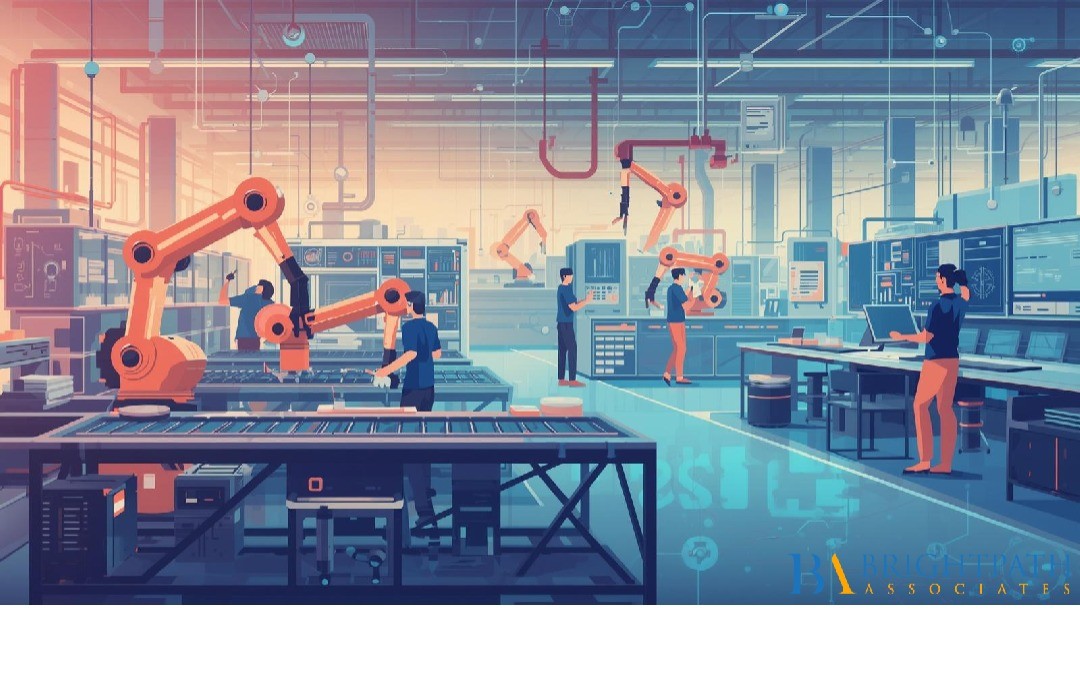
#RoboticsEngineering is another domain critically influencing industrial automation. Robots are revolutionizing automation by bringing unparalleled flexibility and efficiency to manufacturing floors, capable of handling tasks ranging from simple assembly to intricate welding and machining processes. These machines can work around the clock without fatigue, allowing for continuous production cycles that were once thought impossible. The integration of robotics in industries like automotive showcases a remarkable shift, where automation not only supports but also augments human capabilities, thereby enabling workers to focus on more complex and strategic tasks.
Case studies reveal the successful implementation of robotics systems that have significantly boosted productivity and reduced operational costs in various sectors. For instance, companies that have adopted robotic process automation (RPA) have reported increased throughput and improved accuracy in production lines. These examples underscore the critical role of mechanical engineering jobs, which are increasingly requiring specialized skills in robotics and automation. Graduates entering the field must now be equipped with not only traditional engineering knowledge but also an understanding of programming and robotic system integration.
Industrial Automation Manufacturing and Digital Transformation
The advent of digital transformation in industrial settings is creating new paradigms for automation that were unthinkable just a few years ago. Trends in manufacturing engineering increasingly focus on adopting automation technologies that streamline operations and enhance productivity beyond mere labor savings. Digital tools are implemented to monitor, control, and optimize industrial processes, empowering businesses with real-time data analytics and informed decision-making. The ability to collect and analyze vast amounts of data provides manufacturers with insights that can lead to continuous improvement and operational excellence.
This transformative wave points to a future where mechanical design services and digital platforms work synergistically to usher in an era of smart manufacturing. Industries are now leveraging the Internet of Things (IoT), artificial intelligence, and machine learning to create connected systems that anticipate failures before they occur, enhancing the reliability of production lines. Companies that successfully integrate these advanced digital technologies stand to gain substantial advantages in efficiency and innovation.
Challenges in Mechanical Product Design and Solutions
Despite these advancements, the implementation of industrial automation presents challenges, primarily in the realm of mechanical product design. Companies face hurdles such as integrating new technologies into existing systems, ensuring compatibility, and effectively managing costs associated with these transitions. Additional challenges include the training of personnel to adapt to new systems and the potential disruption of existing workflows during the implementation phase.
Engineering consulting emerges as a potent solution to these challenges, offering strategic guidance and specialized expertise that bridge the technical gaps that many companies encounter. Consultants help businesses navigate the complexities of adopting #AutomationTechnologies, ensuring their integration is both efficient and cost-effective. By drawing on their extensive experience, they can provide tailored solutions that cater to the unique needs of each organization, helping to mitigate risks and enhance the decision-making process.
The Role of Executive Search Recruitment in Industrial Evolution
Leadership plays a crucial role in the successful deployment of industrial automation. As industries evolve, the demand for innovative and adaptive leaders grows correspondingly. #ExecutiveSearchRecruitment services become vital in this context, addressing the pressing need for skilled leaders who can steer companies through technological transformations and the challenges that accompany them. Leadership talent shortages pose a significant risk, and recruiting the right executives is essential for driving meaningful change and achieving lasting business goals.
BrightPath Associates excels in this niche, providing specialized recruitment services that match businesses with leaders capable of bridging innovation and business strategy. These recruitment experts focus on identifying candidates who not only have the technical acumen but also the vision to harness automation for competitive advantage. This strategic approach ensures that organizations are well-equipped to tackle the evolving demands of the industrial landscape.
Navigating Changes in Mechanical Engineering Jobs
The evolution of mechanical engineering jobs is a direct reflection of the broader changes brought by automation. As industries embrace new technologies, there is an increasing demand for expertise in robotics and automation. Engineers today are expected to possess a diverse set of skills that allow them to design, implement, and maintain advanced automated systems. This shift necessitates not only a transformation in personal skill sets but also a strategic approach to workforce planning that anticipates future industry trends, supported by executive recruitment services that can source and place the necessary talent in key positions.
In response to these changes, educational institutions are adapting their curricula to include more comprehensive training in emerging technologies and automation practices. This, combined with industry collaborations, is essential for cultivating the next generation of mechanical engineers who will drive further innovations in automation.
Conclusion
The future of #IndustrialAutomation and mechanical engineering is promising, with prospects of continued advancement and innovation. For small to mid-sized businesses, embracing automation strategies is not only a way to remain competitive but a necessity for growth and sustainability in an increasingly globalized market.
By taking strategic steps, such as engaging in engineering consulting and leveraging executive recruitment services, these businesses can effectively navigate the complexities of automation while positioning themselves for success. As they do so, they position themselves to thrive in an industry landscape defined by speed, precision, and a relentless pursuit of innovation. The journey ahead is both challenging and exciting, with immense potential for those willing to adapt and evolve.
Find your next leadership role in Mechanical Engineering Industry today!
Stay informed with the latest insights on Railroad Mechanical Engineering Industry!