
Introduction
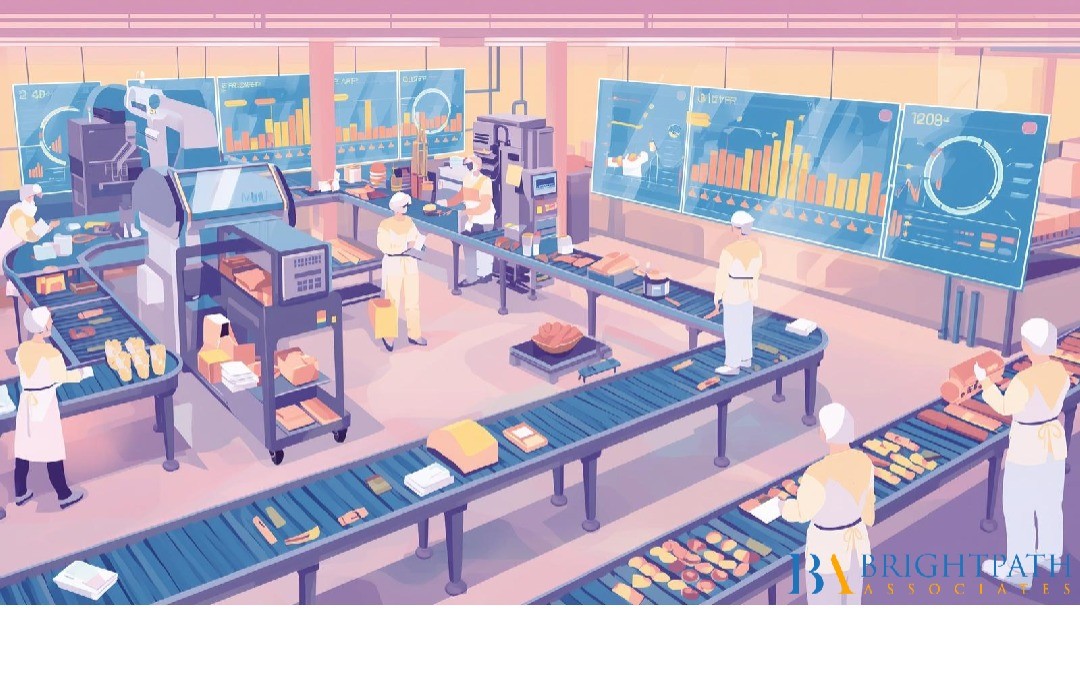
Efficient #FoodProcessing is a pivotal component of the broader food production growth strategy, essential for businesses aiming to maintain competitive advantage and sustainable growth. C-suite executives and founders within the food production industry recognize that mastering plant efficiency directly impacts their bottom line, enhances product quality, and ensures compliance with food safety standards. The stakes are high, as even minor inefficiencies can lead to significant financial losses and reputational damage. This guide offers practical insights to optimize efficiency in food processing plants, focusing on industrial trends, technology, and leadership strategies that can propel a business forward in this competitive landscape.
Current Industry Trends in Food Production
Evolving Food Production Dynamics in 2023-2025
The food production landscape is evolving rapidly in the mid-2020s, with an emphasis on scaling operations while enhancing resource efficiency. Companies are adopting cutting-edge food production processing equipment and technology to stay ahead of competitors. This includes automation tools, robotics, and process optimization software. These dynamics underline the significance of adopting a forward-thinking business strategy that aligns with contemporary food production management practices, which not only focus on productivity but also emphasize sustainability and resource conservation. As consumer preferences shift toward more sustainable practices, businesses that proactively adapt to these changes will be better positioned for long-term growth.
Emphasizing Innovation and Technology in Food Production
The integration of #InnovativeTechnologies is reshaping food production management by automating routine processes and improving precision in production lines. Advanced technologies, such as AI-based monitoring systems and IoT devices, are now standard in top-performing food processing plants, contributing to reduced waste, enhanced safety measures, and increased throughput. This integration is not only about keeping up with industry standards but also about setting new ones that achieve remarkable efficiencies and reliability. Businesses that successfully harness these innovations can glean real-time consumer insights, streamline operations, and significantly improve supply chain responsiveness, positioning themselves as industry leaders in an increasingly technology-driven market.
Executive Hiring and Leadership Talent Shortages
Despite advancements in technology, the food production industry faces a pressing challenge in recruiting and retaining skilled leadership. The gap in talent, particularly at the executive level, is increasingly apparent as many companies struggle to find leaders who are not only well-versed in traditional food processing systems but also adept at integrating new technologies. Executive hiring has become a strategic priority as companies strive to address shortages in leadership talent and shifting role expectations by 2025. Executive search recruitment firms, such as Brightpath Associates, offer specialized services to fill these essential leadership gaps, driving sustainable growth and innovation. These firms can assist companies in identifying candidates who possess a blend of technological savvy and industry experience, crucial for adapting to rapid changes in food production dynamics.
Step 1: Assessing the Current Efficiency of Your Food Processing Plant
To improve plant efficiency, businesses must first benchmark their current performance using key metrics such as production output, resource utilization, waste rates, and downtime. Modern technologies facilitate real-time #DataCollection and analysis, providing executives with actionable insights that can inform decision-making. Food production consultants play a vital role in interpreting this data and recommending targeted improvements, enhancing both operational efficiency and food production safety certification. This process should also involve regular audits of processes and equipment efficiency, fostering a culture of continuous improvement where employees are empowered to identify issues and suggest solutions.
Step 2: Leveraging the Latest Food Production Processing Equipment
Advanced equipment is fundamental to boosting efficiency. Industry innovations include high-speed processing machinery and specialized sorting technologies that minimize manual intervention and reduce error margins. Moreover, enhanced equipment maintenance protocols and smart sensors that predict equipment failures before they occur can drastically reduce downtime. Strategic investments in food production processing equipment ensure that plants operate at maximum efficiency, thereby contributing significantly to a robust food production business strategy. The acquisition of new machinery and technological tools can not only improve output but also enhance flexibility in product offerings, enabling companies to adapt more swiftly to market demands.
Step 3: Implementing Effective Food Production Management Strategies
#StrategicPlanning and execution are critical for managing food production effectively. Efficient management not only enhances productivity but also ensures compliance with regulatory standards, which are continually evolving. A strong example lies in plants that have successfully achieved food production safety certification, underscoring the intersection of solid management practices and certification processes. Case studies of successful operations exemplify how these principles translate into tangible business outcomes, such as increased market share and reduced operational costs. Furthermore, ongoing training and development programs for staff can foster an environment where best practices are standardized, leading to continual operational improvement and enhanced employee engagement.
Step 4: Streamlining the Food Production Supply Chain
Supply chain management remains a key challenge within the industry, necessitating solutions that integrate coordination and technology. By embracing digital supply chain tools, food production companies can streamline operations—from procurement to delivery—enhancing overall business performance. Technologies such as blockchain for traceability and predictive analytics for inventory management can transform supply chain operations. The future of the food production supply chain is poised to incorporate advanced analytics and collaborative platforms that facilitate greater transparency and efficiency, enabling companies to react swiftly to changing market conditions and consumer preferences.
Step 5: Cultivating Leadership and Talent in the Food Production Sector
The shortage of skilled leadership in the food production sector calls for an increased focus on effective recruitment practices. Recognizing the evolving landscape and expectations of executive roles, companies must invest in #ExecutiveSearchRecruitment strategies to build strong and innovative teams. Brightpath Associates, with its industry-specific recruitment expertise, supports businesses in navigating these challenges, ensuring that they remain capable of sustaining growth and innovation. Moreover, fostering an inclusive workplace and differentiating organizational culture can attract top talent, as the best professionals are now seeking workplaces that offer opportunities for personal development and engagement.
Case Study: A Practical Example of Food Production Growth Strategy
A notable example within the industry highlights how comprehensive growth strategies focusing on efficiency, technology, and leadership propel businesses forward. This case reveals the practical applications of the strategies discussed, showcasing substantial improvements in plant operations and positive business outcomes. The lessons learned reinforce the importance of a deliberate and well-orchestrated approach to mastering plant efficiency. By documenting the specific changes made—such as the introduction of new technology or changes in leadership structure—companies can create a roadmap for others in the industry to follow, thereby contributing to collective knowledge and best practices.
Conclusion
In conclusion, mastering food processing plant efficiency is a multifaceted challenge that requires an integration of advanced technologies, effective management, #StrategicInvestment, and robust leadership strategies. Executive leaders in the food production industry must prioritize continuous innovation and agile business strategies to navigate the complexities of the modern market. Additionally, fostering collaboration across departments and areas of expertise can lead to more holistic solutions. As companies embrace these methods, with the support of specialized recruitment services like those offered by Brightpath Associates, they position themselves for ongoing success and industry leadership, while also contributing to a more sustainable and efficient food production ecosystem.
Find your next leadership role in Food Production Industry today!
Stay informed with the latest insights on Food Production Industry!