
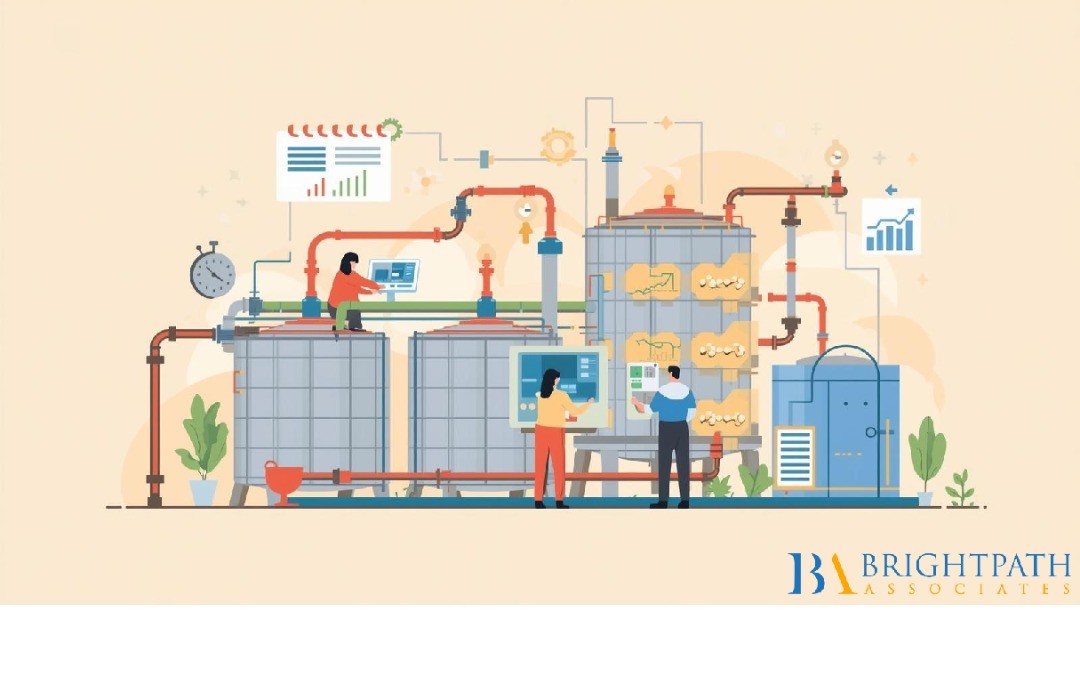
The Importance of Optimization in Small Chemical Manufacturing
In the ever-evolving landscape of #ChemicalManufacturing, the optimization of the production process is crucial for maintaining a competitive edge. Small chemical plants, in particular, face unique challenges and limitations compared to their larger counterparts, such as reduced capital for investment in new technologies, limited labor resources, and smaller production volumes. This makes the need for efficient operation even more pressing. By strategically focusing on optimization, you can enhance productivity, minimize waste, and maintain high-quality standards, all while navigating the complexities of small-scale operations. Moreover, effective optimization can lead to increased customer satisfaction and loyalty, as well as improved profitability over the long term.
Defining Batch Production in the Context of Chemical Processes
#BatchProduction is a manufacturing process where components are produced in groups or “batches” rather than through a continuous stream. In chemical plants, this involves creating distinct batches of products, allowing for greater control and flexibility in production compared to continuous manufacturing processes. Understanding the intricacies of batch processing helps in optimizing each stage of the manufacturing process, ensuring consistency and efficiency. Furthermore, the ability to vary batch sizes and formulations can respond to market demands more nimbly, enabling small chemical plants to adapt quickly to changing consumer preferences and regulatory requirements.
Key Challenges in Small Batch Chemical Synthesis Services
Regulatory Compliance in Chemical Manufacturing
Adhering to regulatory standards is a major challenge for small batch chemical synthesis services. Compliance involves understanding and implementing safety measures, environmental guidelines, and quality assurances that vary not only by country but also within specific regions. By establishing clear protocols and keeping abreast of regulatory updates, you can avoid costly compliance issues and ensure a safe manufacturing environment. Moreover, fostering a culture of compliance among staff members is vital; regular training sessions can help ensure all employees are aware of current regulations and the importance of adhering to them. This proactive approach not only protects the company from fines or legal issues but also enhances product credibility in the market.
Strategies for Reducing Chemical Production Costs
#CostReduction is a priority for optimizing batch production in small chemical plants. Consider adopting multifaceted strategies such as bulk purchasing of raw materials, recycling, and reusing materials, as well as optimizing energy consumption during production. Implementing these strategies minimizes waste and operational costs, contributing to a more sustainable and profitable production process. Additionally, negotiating with suppliers for better terms or exploring alternative material sources can provide further savings. Continuous evaluation of production workflows to identify inefficiencies can also illuminate potential cost-saving opportunities.
Implementing Automation Technologies in Chemical Plants
Leveraging IoT in Chemical Manufacturing
The integration of Internet of Things (IoT) technologies revolutionizes how chemical plants operate. By using IoT, you can gather and analyze data in real-time, enhancing operational efficiency while reducing the likelihood of errors. Automating monitoring systems and predictive maintenance not only minimizes downtime but also enables proactive decision-making for process improvements. In this context, sensors can monitor equipment performance and environmental conditions, providing critical insights that can lead to immediate adjustments. This capability allows for the identification of potential issues before they escalate into costly problems, thereby safeguarding production timelines and product quality.
The Role of Automation in Chemical Manufacturing Process Optimization
Automation plays a significant role in optimizing the chemical manufacturing process. From robotic systems to automated control systems, automation reduces human error, increases speed, and enhances precision in chemical production. By investing in state-of-the-art automation technologies, you can streamline operations, improve product quality, and boost overall plant performance. Additionally, automation can facilitate better data collection and analysis, contributing to continuous improvement efforts by allowing for more accurate tracking of production metrics over time. It is also essential to ensure that the workforce is trained to work alongside these automation technologies to fully realize their potential enhancements.
Energy-Efficient Solutions for Chemical Production
Exploring Energy-Efficient Reactors for Chemical Production
Energy-efficient reactors are pivotal in modern chemical production because they optimize energy use by improving reaction times and reducing the energy required for production. By investing in advanced reactor technology capable of operating at lower temperatures or using less energy-intensive processes, you can significantly lower energy consumption, which translates into reduced operational costs and a smaller carbon footprint. Furthermore, energy-efficient reactors often incorporate waste heat recovery systems that can further enhance energy efficiency, thus contributing to a more sustainable manufacturing process.
Reducing Energy Consumption in Small Chemical Plants
#ReducingEnergy usage is essential for small chemical plants aiming for optimization amid rising energy costs and environmental regulations. Consider employing thorough energy audits to assess current consumption practices, optimizing heating, cooling, and lighting systems, and implementing energy recovery systems. These comprehensive measures help in identifying inefficiencies and reducing energy costs, ensuring your plant runs economically and efficiently. Collaborating with energy management experts can also provide additional insights and strategies tailored to the unique operational profile of your plant, further driving energy efficiency initiatives.
Workforce Training Programs for Chemical Engineers
Importance of Knowledge and Skill Development
In chemical manufacturing, the expertise of your workforce is invaluable in ensuring operational excellence. Continuous training and skill development ensure that your team is equipped to handle advanced technologies and processes that are increasingly becoming complex and automated. Investing in training programs not only enhances your plant’s operational capabilities but also boosts employee morale and retention by demonstrating a commitment to their #ProfessionalGrowth. Fostering a culture of continuous learning encourages innovation and helps attract talent, significantly impacting the overall success and sustainability of your operations.
Implementing Effective Training Programs for Optimal Results
Effective training programs are the backbone of operational excellence in chemical plants. Tailor training to address specific skills and knowledge gaps, incorporating hands-on learning, simulation exercises, and cross-training opportunities. These initiatives ensure that your production staff not only have the necessary technical skills but also understand the broader context of their roles. A well-trained workforce is essential for implementing and maintaining optimized production processes, enabling teams to work more collaboratively and improve overall outcomes.
Leveraging Data Analytics for Chemical Plant Operational Excellence
How Data-Driven Insights Improve Chemical Manufacturing
Data analytics plays a crucial role in optimizing chemical manufacturing processes. By analyzing production data, you can identify trends, monitor performance, and make informed decisions to improve efficiency and quality. Data-driven insights provide a competitive advantage, enabling you to anticipate and address potential challenges before they become significant issues. Comprehensive data analysis also allows for better forecasting and planning, which can lead to optimized inventory levels and improved resource allocation. Ultimately, incorporating data analytics into your operations can foster a culture of informed decision-making that drives innovation and growth.
Real-World Applications of Analytics in Small Chemical Plants
In small chemical plants, real-world applications of analytics range from predictive maintenance to optimizing supply chain management. Utilizing data analytics tools allows you to optimize resource allocation, reduce downtime, and enhance overall plant performance, leading to significant cost savings and increased productivity. For instance, analyzing historical production data can help identify recurring bottlenecks, allowing for targeted process improvements. Additionally, leveraging analytics for inventory management ensures that you have the right materials at the right time, minimizing the risk of overproduction or stockouts.
Executing Efficient Chemical Manufacturing Process Optimization
Identifying Key Areas for Improvement
Optimization begins with identifying key areas that offer the greatest potential for improvement. Conduct an in-depth analysis of your production processes, from raw material sourcing to finished #Product Packaging. Focus on bottlenecks, waste reduction, and process integration to enhance efficiency. Engaging the workforce in this analysis can also provide valuable insights, as employees on the floor often have firsthand knowledge of inefficiencies and opportunities for enhancement.
Strategies for Effective Implementation and Monitoring
Implementing and monitoring optimization strategies requires a structured approach. Develop detailed action plans, set measurable goals, and utilize performance metrics to track progress. Continuous monitoring and feedback loops allow for adjustments and refinements, ensuring sustained improvements in production processes. Utilizing performance management software can facilitate real-time tracking of metrics and help teams stay aligned on targets, ensuring that optimization efforts are effectively integrated into daily operations.
Conclusion
Achieving Success in Small Batch Chemical Production
By focusing on optimization strategies across various aspects of manufacturing, from technology adoption to workforce development, you can enhance the efficiency and profitability of your small chemical plant. Embrace technological advancements, invest in workforce training, and leverage data analytics to drive continuous improvement and achieve operational excellence. Such a comprehensive approach will empower your business not only to survive but also to thrive in the competitive landscape of chemical manufacturing.
The Future of Small Chemical Manufacturing and Continuous Improvement
As the industry continues to evolve, small chemical manufacturing will face new challenges and opportunities that require agility and innovation. Staying adaptive and proactive in implementing innovative solutions and sustainable practices ensures your plant remains competitive in the global market. By fostering a culture of continuous improvement and embracing advances in technology and data analytics, you will unlock the full potential of your chemical manufacturing operations, positioning your business for enduring success in the years to come. Partnering with the right #ExecutiveSearch experts can further strengthen your leadership team, driving strategic growth and innovation from the top.
Find your next leadership role in Chemical Industry today!
Stay informed with the latest insights on Chemical Industry!