
Introduction
In the ever-evolving landscape of manufacturing, 3D printing has emerged as a groundbreaking technology with the potential to revolutionize various industries. Among these, the use of 3D printing in #WoodPrototyping stands out as a particularly innovative development. This technique not only enhances the efficiency of wood product manufacturing but also aligns with sustainable practices and forest product innovation. As we explore the implications of this technology, we will delve into its impact on the lumber industry, forestry regulations, and the broader paper and pulp technology sector.
The Intersection of 3D Printing and Wood Prototyping
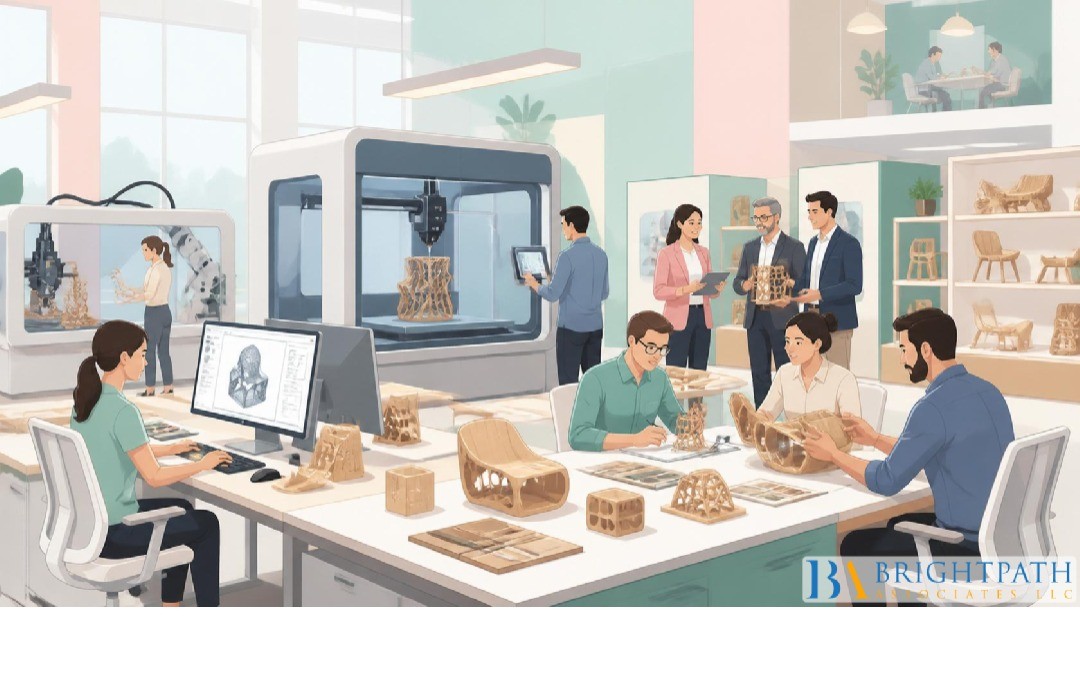
3D printing, also known as additive manufacturing, involves creating three-dimensional objects from digital files by layering materials. Traditionally, this technology has been synonymous with plastics and metals. However, recent advancements have extended its application to wood prototyping. By using wood-based filaments, manufacturers can now produce intricate designs that were previously difficult or impossible to achieve with conventional methods.
This innovation represents a significant leap forward in timber harvesting and the lumber industry. It allows for precise control over material usage, minimizing waste and promoting sustainability. The ability to create complex structures from wood composites also opens new avenues for forest product innovation, enabling designers to experiment with shapes and functionalities previously unattainable.
Benefits of 3D Printing in Wood Prototyping
One of the most significant advantages of #3DPrinting in wood prototyping is its contribution to sustainable materials. As industries strive to reduce their environmental impact, the use of wood-based filaments derived from recycled paper and pulp technology offers a promising solution. By incorporating paper recycling solutions into the production process, manufacturers can reduce reliance on virgin timber and contribute to the circular economy.
Moreover, 3D printing facilitates rapid prototyping, allowing for quicker iterations and reduced time-to-market for new products. This agility is critical in the competitive landscape of the lumber industry, where trends can shift rapidly. As a result, companies can respond to market demands more efficiently, aligning with the latest lumber industry trends.
Impact on the Paper and Pulp Industry
The integration of 3D printing in wood prototyping has far-reaching implications for the paper and pulp industry. Traditionally, this sector has focused on large-scale production and distribution of paper products. However, with the advent of 3D printing, there is potential to diversify product offerings and explore new revenue streams.
By leveraging paper recycling solutions, the industry can create sustainable materials for 3D printing, reducing waste and enhancing resource efficiency. Additionally, this approach aligns with ongoing efforts to automate paper industry processes, further improving productivity and cost-effectiveness. As technology evolves, the paper industry economics will likely shift to accommodate these changes, potentially leading to new business models and opportunities for growth.
Challenges and Considerations
Despite its many advantages, the adoption of 3D printing in wood prototyping is not without challenges. One significant hurdle is the development of high-quality wood-based filaments that offer the necessary strength and durability for various applications. Research and development efforts are ongoing, with companies investing in innovative materials to enhance performance and reliability.
#ForestryRegulations also play a crucial role in shaping the future of 3D printing in wood prototyping. As governments worldwide implement policies to protect natural resources and promote sustainable practices, manufacturers must navigate a complex regulatory landscape. Compliance with these regulations is essential to ensure the long-term viability of this technology.
Furthermore, as the demand for skilled professionals in this emerging field grows, organizations face the challenge of finding qualified talent. #ExecutiveSearchRecruitment becomes a critical aspect of building a workforce capable of driving innovation and adapting to the evolving manufacturing environment.
The Future of Wood Prototyping and Manufacturing
Looking ahead, the future of 3D printing in wood prototyping is promising. As technology continues to advance, we can expect further improvements in material quality, design capabilities, and production efficiency. The integration of artificial intelligence and machine learning could enhance automation in the paper industry, optimizing processes and reducing human intervention.
In this context, #ForestProductInnovation will play a pivotal role in shaping the direction of wood prototyping. Companies must remain agile and responsive to emerging trends, leveraging new technologies to stay competitive in a rapidly changing market. By embracing sustainable materials and paper recycling solutions, the industry can contribute to a more sustainable and environmentally friendly future.
Ultimately, the successful adoption of 3D printing in wood prototyping will depend on collaboration across industries, from technology developers to policymakers and manufacturers. Together, these stakeholders can drive innovation, overcome challenges, and unlock the full potential of this transformative technology.
Conclusion
3D printing in wood prototyping represents a significant step forward in the future of manufacturing. By offering new possibilities for design, sustainability, and efficiency, this technology has the potential to reshape the lumber industry and the broader paper and pulp technology sector. However, realizing this potential will require concerted efforts to address challenges related to material development, forestry regulations, and workforce recruitment.
As we look to the future, the continued integration of 3D printing with sustainable materials and innovative processes will be crucial. By embracing these advancements, the wood product manufacturing industry can lead the way in creating a more sustainable and prosperous future for generations to come.
Find your next leadership role in Paper & Forest Products Industry today!
Stay informed with the latest insights on Paper & Forest Products Industry!